
Modern Distribution Systems in Logistics and Supply Chain Management: A Practical Guide
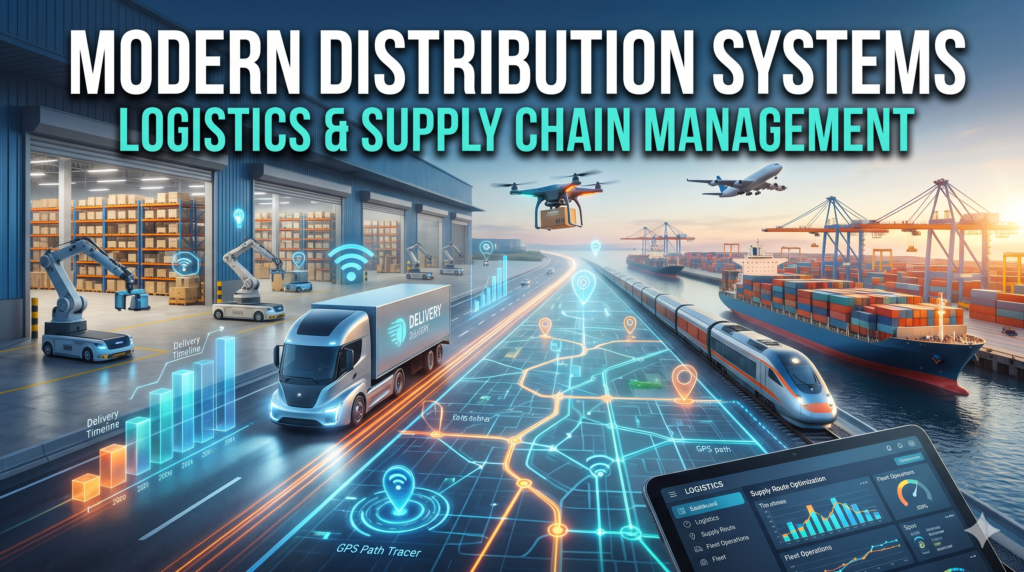
Modern distribution systems decide whether a product reaches the right customer, at the right time, at a cost that still leaves a margin. They sit at the end of the supply chain, inherit every upstream decision, and take the blame when something goes wrong. For anyone running logistics or supply chain management today, understanding how […]
Moving and Relocation Logistics: Industry Developments Shaping 2026
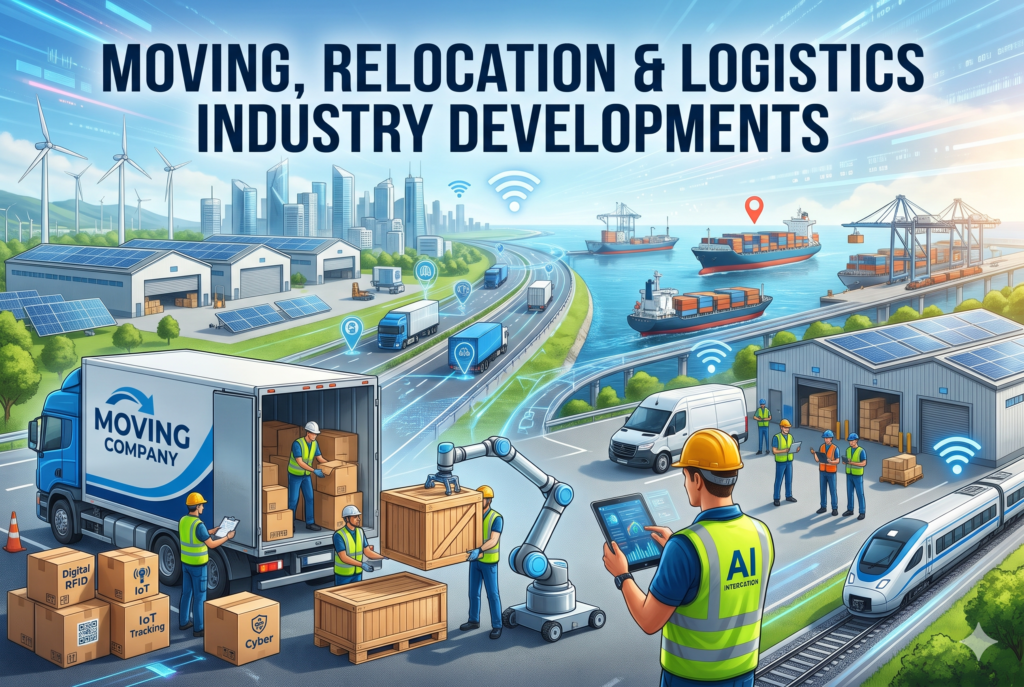
The moving and relocation logistics industry is moving from a trucks-and-crews business to a data-and-coordination business. Costs are rising, customers expect to see where their belongings are, and many movers now sell storage and corporate mobility services alongside the move itself. This briefing explains the main industry developments in 2026, why each is happening, who […]
Logistics Business Category Classification: Types, Codes and How to Classify Your Company
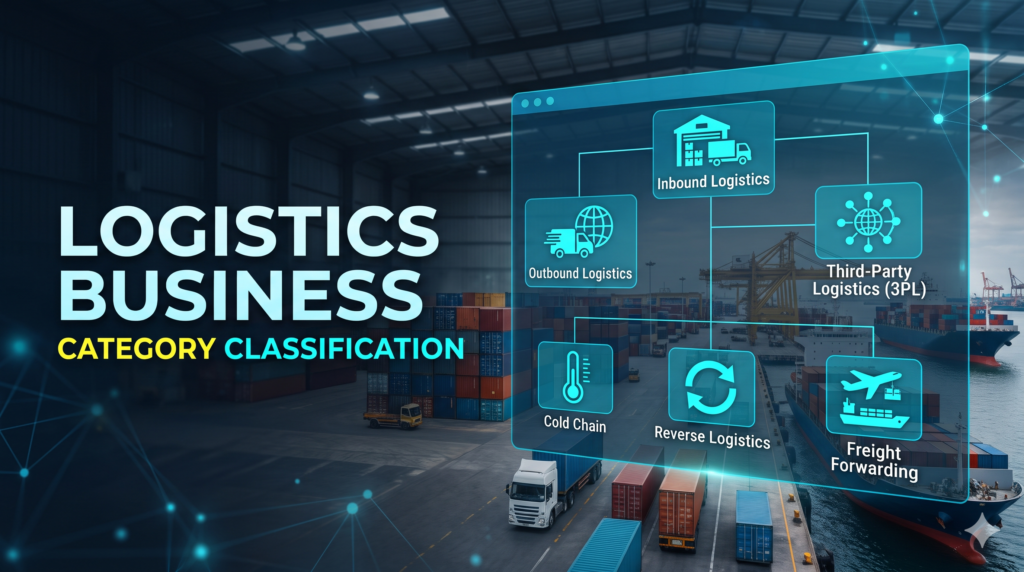
Why Logistics Business Category Classification Matters Ask three people what kind of logistics business a company is and you may get three answers. One calls it a freight forwarder, another a third-party logistics provider, and a government form files it under transportation support. All three can be right, because logistics business category classification has no […]
Logistics Management Systems With Voice API Integration: Architecture, Use Cases and Rollout Guide
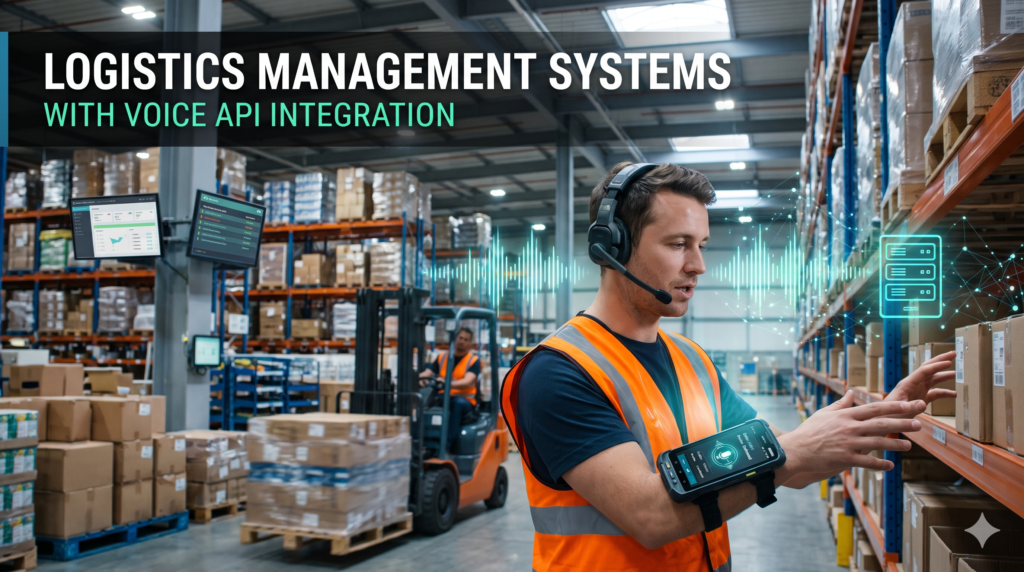
Short answer: a logistics management system with voice API integration connects spoken conversations, either phone calls or warehouse headsets, to the software that runs your freight and inventory. The voice layer listens, understands the request, reads or updates your transport, warehouse and ERP records, and speaks the result back, so drivers, pickers, dispatchers and customers […]
Automated Logistics Systems: Types, Benefits and Setup
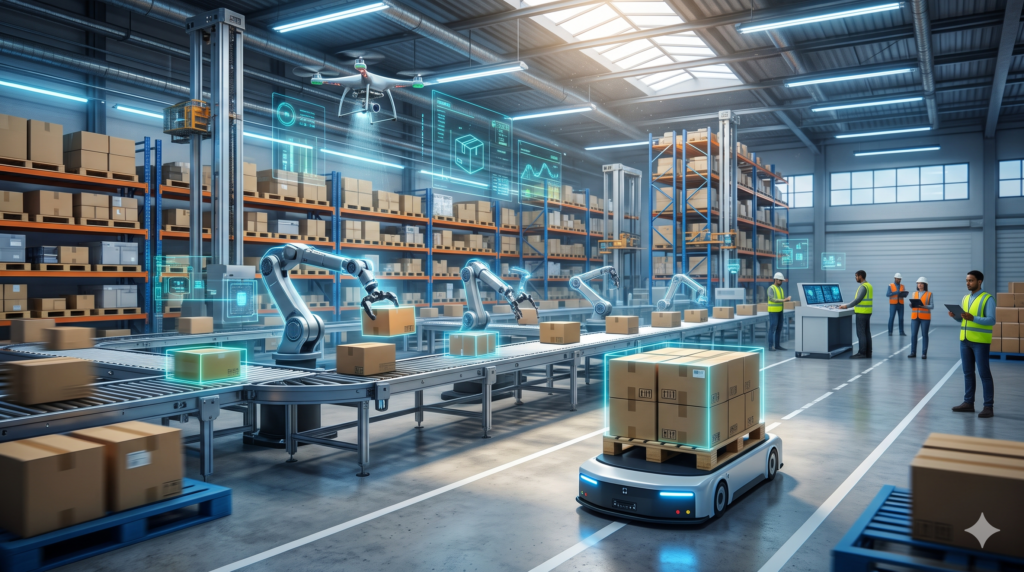
Orders that wait for someone to key them in, stock counts that drift from reality, and carriers chosen by habit instead of data all cost money every day. Automated logistics systems replace those manual handoffs with machines and software that work together, so goods move faster and with fewer mistakes. This guide explains what automated […]
Logistics Management Systems That Integrate With WhatsApp: A Practical 2026 Guide
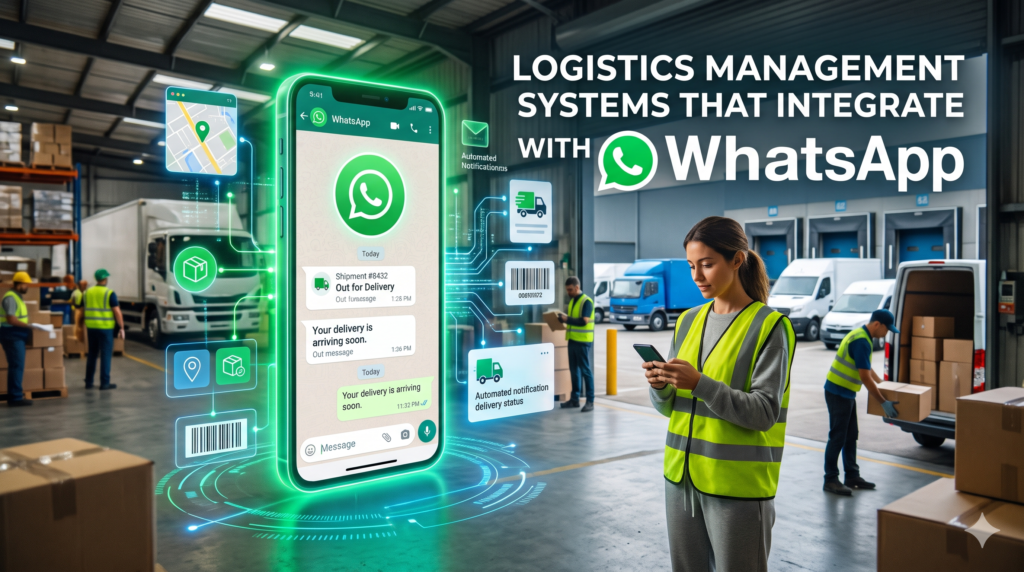
Yes, logistics management systems can integrate with WhatsApp. Transport management systems (TMS), warehouse management systems (WMS), fleet tools and courier platforms connect to it in one of three ways: WhatsApp built into the product, a WhatsApp messaging provider linked by API or webhook, or a custom build on the WhatsApp Business Platform. In every case […]
Equipment Maintenance Software: Features, Costs, and How to Choose the Right One (2026)
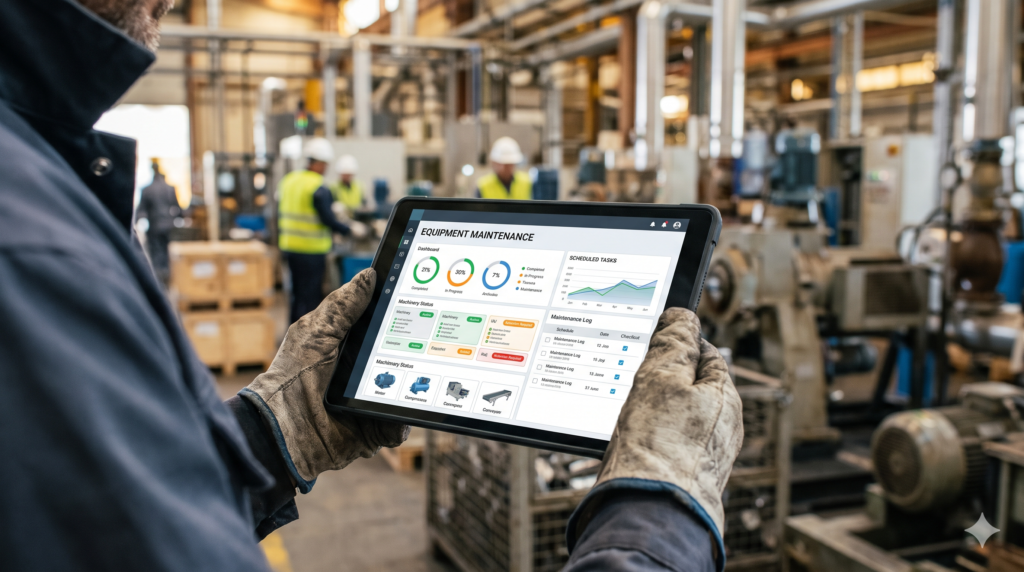
A pump stops at 2 a.m. The technician on call cannot find the last service date. The part is not on the shelf, and the person who tracked the schedule is on leave. Nothing about that failure is unusual, and almost all of it is a records problem before it is a mechanical one. Equipment […]
Warehouse Software: Types, Features, Costs, How to Choose
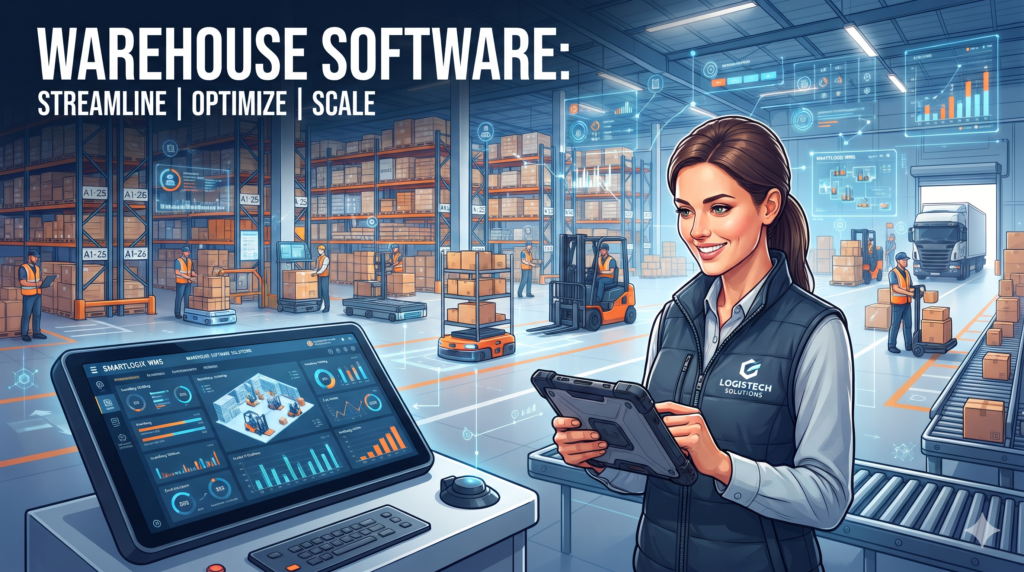
Warehouse software is a set of tools that record and direct how goods move through a warehouse, from the moment a delivery arrives to the moment an order leaves. The core product in the category is the warehouse management system (WMS), but inventory apps, ERP modules and labor or automation tools all count. This guide […]
WMS Systems: What They Are, How They Work, and How to Choose One
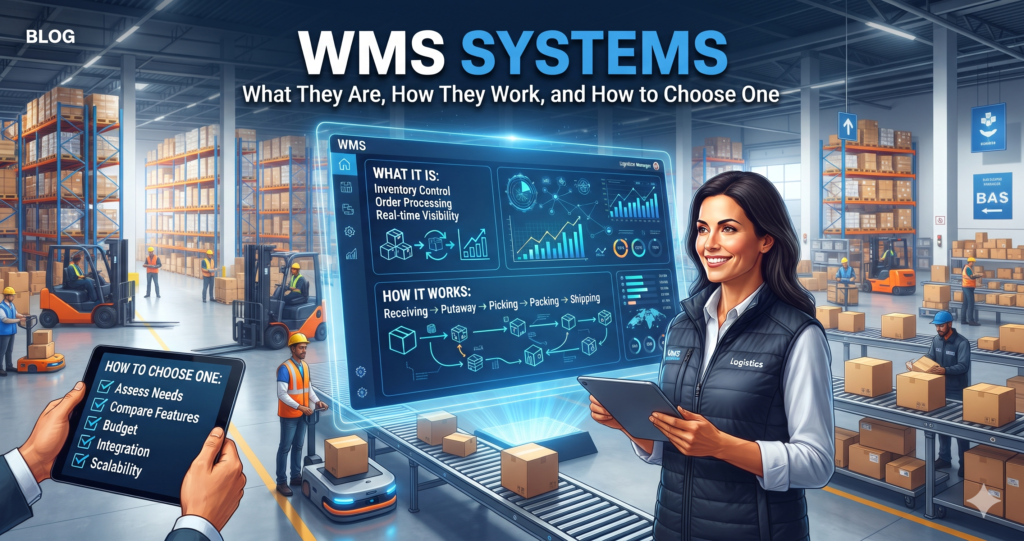
WMS Systems: What They Are, How They Work, and How to Choose One A warehouse management system (WMS) is software that plans, directs, and records the work inside a warehouse, from the moment goods arrive to the moment an order ships. It tracks where every item is, tells workers what to do next, and keeps […]
Enterprise Resource Planning (ERP): What It Is, How It Works, and How to Choose a System
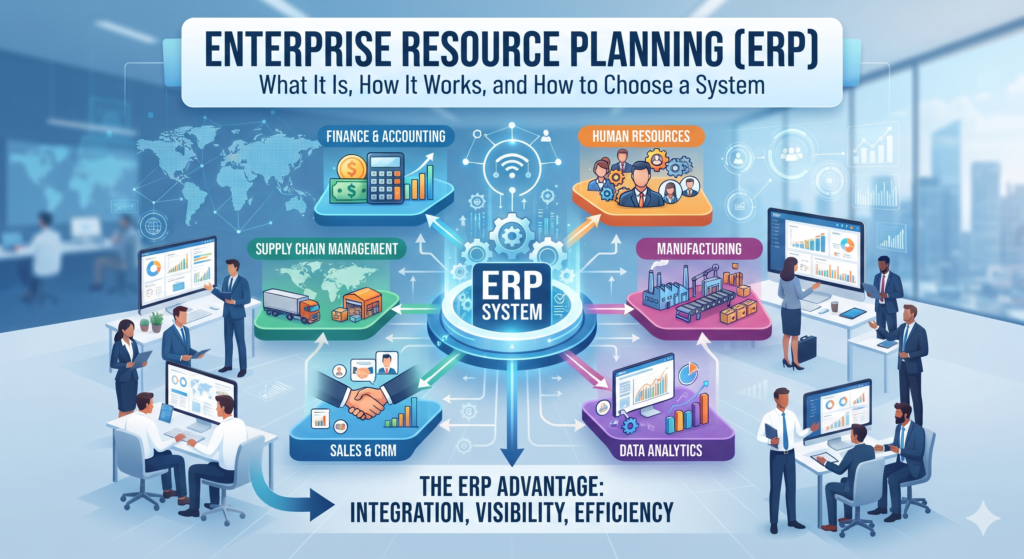
Enterprise resource planning (ERP) is software that connects a company’s core processes, such as finance, purchasing, inventory, sales, and HR, on one shared database so every team works from the same current information. Instead of separate spreadsheets and apps that disagree with each other, an ERP gives the business a single record of each customer, […]